
Why Your Car Air Conditioner Isn't Cooling Properly
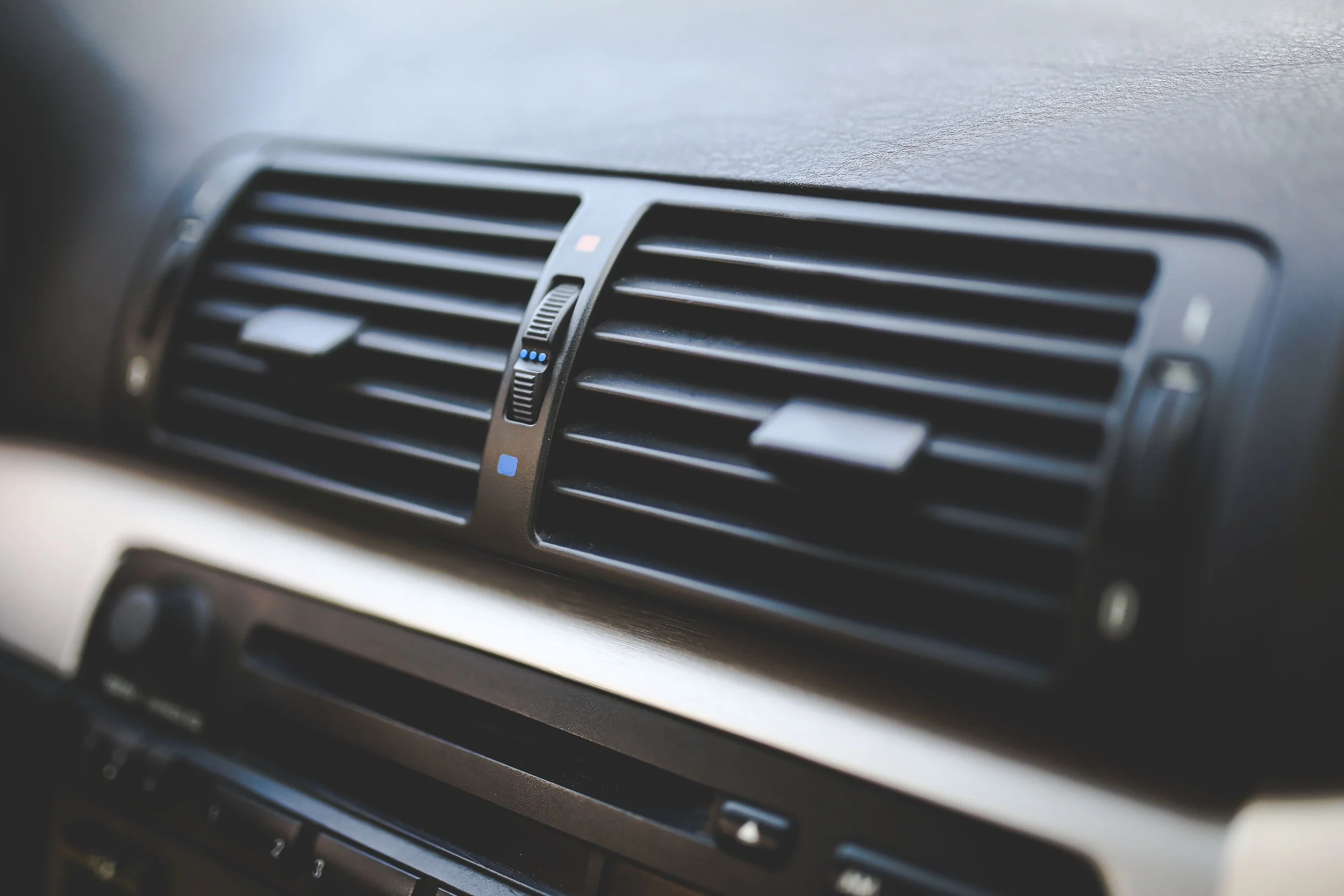
There are few things more frustrating than turning on your car's air conditioner on a hot Sydney day and getting nothing but warm or barely cool air from the vents. You might turn the temperature down, increase the fan speed and wait for the cabin to cool, only to realise something isn't working as it should.
When this happens, many drivers assume their car simply needs an air conditioning regas. Sometimes that is part of the solution, but a lack of refrigerant is often a symptom of another problem rather than the underlying cause.
From refrigerant leaks and compressor faults to restricted airflow caused by a dirty cabin filter, several issues can prevent your vehicle's AC system from cooling properly. Finding the actual fault before replacing refrigerant can save you from paying for a temporary fix.
If you're looking for car AC repair in Thornleigh, understanding the common causes can also help you recognise when it's time to arrange a professional auto air conditioning service.
How Does Your Car's Air Conditioning Work?
Your car's air conditioning system doesn't simply create cold air. It operates as a closed system that circulates refrigerant through several components to absorb heat from inside the cabin and release it outside the vehicle.
Important parts of the system include the compressor, condenser, evaporator, expansion valve or metering device, refrigerant lines, sensors and electrical controls.
The compressor circulates refrigerant through the system. The condenser releases heat, while the evaporator absorbs heat from air entering the cabin. The blower then pushes the cooled air through the vents.
If the refrigerant charge is incorrect or one of these components isn't operating correctly, cooling performance can fall dramatically.
1. Refrigerant Leaks Are a Common Cause of Poor Cooling
Low refrigerant is one of the first things considered when a car's AC isn't cold enough. However, it's important to understand why the refrigerant level is low.
Refrigerant isn't something your vehicle consumes in the same way it consumes petrol or engine oil. The air conditioning system is designed to contain and circulate its refrigerant.
If the system has lost a significant amount, there may be a leak.
Leaks can develop in several areas, including:
AC hoses and connections
O-rings and seals
The condenser
The evaporator
Compressor seals
Service valves
Some leaks are relatively obvious, while others can be extremely small and difficult to locate without appropriate diagnostic equipment.
Common signs of low refrigerant can include air that is only slightly cool, cooling that becomes less effective over time, or an AC system that cycles on and off unexpectedly.
This is why proper car AC repair in Thornleigh should involve checking the system rather than automatically adding more gas.
If refrigerant is added without identifying an existing leak, the new refrigerant may eventually escape as well—and the original problem remains.
2. Your AC Compressor May Be Failing
The compressor is one of the most important components in the entire air conditioning system.
Its job is to circulate refrigerant and create the pressure conditions necessary for the system to transfer heat effectively. When the compressor isn't operating correctly, your air conditioning may produce little or no cold air.
Compressor problems can be mechanical or electrical.
Depending on the vehicle, possible faults can involve the compressor itself, clutch, relay, wiring, pressure sensor or control system.
Symptoms that may indicate a compressor-related problem include:
AC that blows warm air
Cooling that works intermittently
Unusual noises when the AC is switched on
The compressor failing to engage
Cooling performance that changes unexpectedly
A compressor is a relatively expensive component, so accurate diagnosis matters. Replacing one without confirming the cause can result in unnecessary expense.
A professional auto air conditioning service can test the system and determine whether the compressor itself has failed or whether another component is preventing it from operating.
3. A Dirty Cabin Air Filter Can Restrict Airflow
Not every air conditioning problem involves refrigerant or an expensive component.
Sometimes the problem is simply restricted airflow.
Most modern vehicles have a cabin air filter designed to capture dust, pollen and other contaminants before outside air reaches the vehicle's interior.
Over time, this filter can become clogged.
When that happens, the blower has to work harder to push air through the ventilation system. The AC itself may still be producing cold air, but there isn't enough airflow reaching you through the vents.
Signs of a blocked cabin filter can include weak airflow even when the fan is set to high, increased dust inside the vehicle, unpleasant smells from the vents or a blower that sounds powerful without producing much airflow.
Replacing a dirty cabin filter can make a noticeable difference to airflow and cabin comfort.
However, weak airflow can also have other causes, including blower motor problems, electrical faults or issues with ventilation doors and actuators. If replacing the filter doesn't solve the problem, further diagnosis may be required.
4. Condenser Problems Can Reduce AC Performance
Your vehicle's condenser is generally located toward the front of the car, where airflow can pass across it.
Its job is to release heat carried by the refrigerant. If the condenser can't get rid of that heat effectively, the AC system's cooling performance can suffer.
Dirt and debris can restrict airflow through the condenser. The condenser can also be damaged by stones, road debris or corrosion.
Another clue is an air conditioner that performs reasonably well while the vehicle is moving but struggles when the car is stationary.
In some cases, this can indicate an airflow problem involving the condenser or cooling fan.
Because several faults can produce similar symptoms, testing is more reliable than simply guessing which component needs replacement.
5. Electrical and Sensor Faults Can Stop the AC Working
Modern vehicle air conditioning systems rely heavily on electronics.
Pressure switches, temperature sensors, relays, control modules and wiring can all affect whether the compressor operates and how the AC system responds.
For example, if the system detects refrigerant pressure outside its safe operating range, it may prevent the compressor from operating to protect it from damage.
A faulty sensor or electrical connection can sometimes produce similar symptoms.
This is another reason why an auto air conditioning service should involve more than simply connecting a machine and adding refrigerant.
Correct diagnosis can require checking refrigerant pressures alongside electrical signals and component operation.
Why a Simple AC Regas Isn't Always the Answer
"Does my car just need a regas?" is one of the most common questions drivers ask when their AC stops cooling.
A regas may be appropriate when testing confirms that the refrigerant charge needs correcting and the system is otherwise operating as intended.
But automatically regassing every poorly performing AC system can overlook the real fault.
Consider a system with a refrigerant leak. Adding refrigerant may make the air cold again temporarily, but if the leak remains, cooling performance is likely to deteriorate again.
Similarly, adding refrigerant won't repair a failed compressor, unblock a cabin filter, fix a damaged condenser fan or repair an electrical fault.
There is another important reason for taking refrigerant handling seriously. Automotive refrigerant work involving regulated fluorocarbon refrigerants must be carried out by appropriately licensed technicians.
A proper diagnostic approach is therefore better than repeatedly topping up a system and hoping the problem disappears.
What Should a Professional Auto Air Conditioning Service Check?
A thorough auto air conditioning service should focus on identifying why the system isn't performing correctly.
Depending on the vehicle and symptoms, diagnosis may include checking:
Vent temperature
Refrigerant pressures
Evidence of refrigerant leaks
Compressor operation
Condenser condition and airflow
Cooling fan operation
Cabin filter condition
Electrical connections and relays
Pressure and temperature sensors
Overall system performance
Once the underlying problem has been identified, the appropriate repair can be recommended.
That might involve repairing a leak, replacing a failed component, changing a cabin filter or servicing and correctly charging the system.
The key is diagnosis first, repair second.
When Should You Have Your Car AC Checked?
You don't necessarily need to wait until the air conditioner stops working completely.
Early warning signs can include cooling taking longer than normal, air that isn't as cold as it used to be, weak airflow, unusual noises or smells, intermittent cooling, or performance that changes dramatically between driving and idling.
Getting these symptoms checked early can help identify smaller problems before they contribute to more expensive component failures.
This is particularly important when refrigerant is low, as operating an AC system under the wrong conditions can place additional strain on components such as the compressor.
Need Car AC Repair in Thornleigh?
If your car's air conditioner isn't keeping you cool, don't assume another regas will automatically solve the problem.
The issue could be a refrigerant leak, compressor fault, clogged cabin filter, condenser problem or an electrical or sensor fault. Proper testing helps identify the actual cause so the appropriate repair can be carried out.
Barrie Automotive provides automotive air conditioning diagnosis, servicing and repairs for Thornleigh and surrounding areas, with an emphasis on finding the source of the problem rather than relying on a temporary fix.
If your AC is blowing warm air, cooling inconsistently or simply isn't performing as well as it used to, book an auto air conditioning service with Barrie Automotive and have the system properly inspected.
Keeping your air conditioning in good working order means a more comfortable drive—and confidence that when the next hot Sydney day arrives, cold air will be there when you need it