
7 Common Reasons Your Car Won't Start
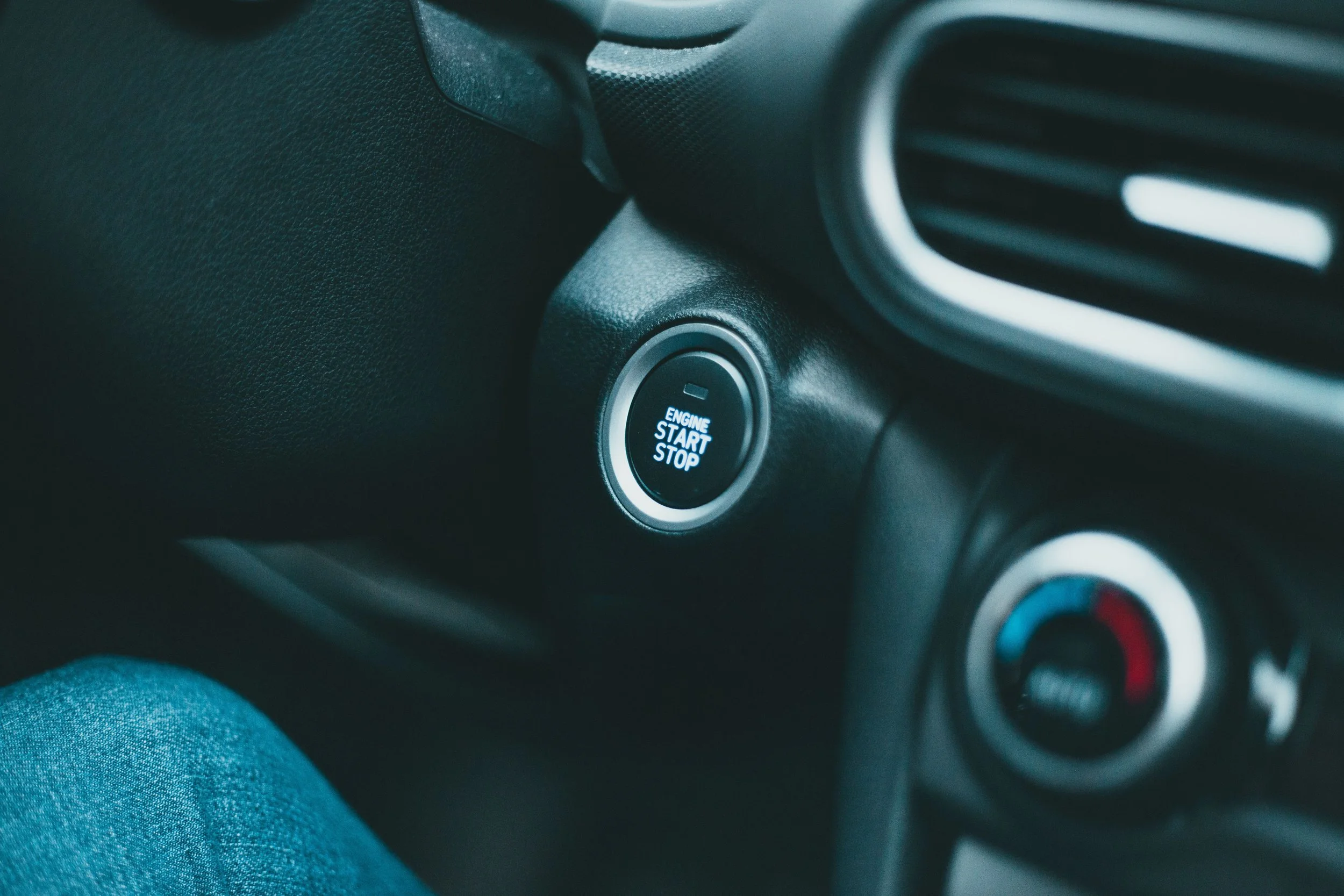
You turn the key or press the start button, expecting the engine to fire up — but nothing happens. Few motoring problems are more frustrating, especially when you are trying to get to work, take the kids to school or make an important appointment.
When a car won't start in Hornsby, the obvious assumption is often that the battery is flat. While battery problems are certainly common, they are far from the only possible explanation. Starter motors, alternators, immobilisers, fuel systems and electrical components can all prevent an engine from starting.
The symptoms your vehicle produces can provide useful clues. A clicking noise, slow cranking, complete silence or an engine that cranks normally but refuses to fire can each point towards different problems.
Here are seven common reasons your car won't start and what you should do about them.
1. A Flat or Failing Battery
The battery is one of the first components to investigate when a vehicle refuses to start.
Your car's battery provides the electrical power needed to operate the starter motor and other systems involved in starting the engine. If it doesn't have sufficient charge, the engine may crank very slowly or not crank at all.
Common signs of a battery problem include:
Rapid clicking when you turn the key
Slow or laboured engine cranking
Dim headlights or interior lights
Electrical accessories failing to operate normally
No response when attempting to start the vehicle
A battery can become discharged because lights or accessories were left running, but repeated flat batteries may indicate a deeper problem. Batteries also deteriorate with age, while damaged terminals, corrosion and poor electrical connections can interfere with starting.
If your battery repeatedly loses charge, simply replacing or jump-starting it may not solve the underlying problem. Proper testing can determine whether the battery itself has failed or another component is responsible.
2. A Faulty Starter Motor
If the battery has adequate power but your engine won't crank properly, the starter motor could be responsible.
The starter motor uses electrical power from the battery to turn the engine when you start the vehicle. Like other mechanical and electrical components, it can wear out over time.
Typical symptoms of starter motor trouble include clicking noises, intermittent starting, grinding sounds or an engine that fails to crank.
One difficulty is that starter problems can initially be intermittent. Your vehicle might refuse to start one morning and work perfectly later in the day. That doesn't necessarily mean the problem has disappeared.
A professional technician can test the starting circuit and starter motor to determine whether the motor, solenoid, wiring, battery or another component is causing the problem.
3. Alternator or Charging System Problems
A flat battery isn't always caused by the battery.
Once the engine is running, the alternator generates electrical power and helps keep the battery charged. If the alternator isn't operating correctly, the battery can gradually discharge until it no longer has enough energy to start the vehicle.
Possible signs of an alternator problem include:
A battery or charging warning light
Headlights that become unusually dim or flicker
Electrical accessories behaving unpredictably
A battery that repeatedly becomes flat
Difficulty starting despite having a relatively new battery
This is why accurate diagnosis matters. Replacing a battery when the real problem is a failing alternator may only provide a temporary solution.
Testing both the battery and charging system can identify where the fault actually lies.
4. Immobiliser or Car Security Problems
Modern vehicles contain increasingly sophisticated security systems designed to prevent unauthorised starting. Unfortunately, a fault within an immobiliser, key transponder or related security system can occasionally stop the legitimate owner from starting the car too.
An immobiliser normally allows the engine to start only after recognising the correct coded key or electronic signal.
If that communication fails, you may find that the engine cranks but doesn't start, or the vehicle may prevent cranking altogether. You might also notice an immobiliser or security warning symbol remaining illuminated or flashing on the dashboard.
Possible causes can include a damaged key, transponder problems, low key-fob battery power, wiring faults or problems within the vehicle's security electronics.
Trying a spare key can sometimes help determine whether the problem is associated with the primary key. Persistent immobiliser faults, however, generally require professional diagnostic testing.
5. Fuel Delivery Problems
An engine needs the correct combination of fuel, air and ignition to run. If fuel isn't reaching the engine properly, the starter motor may turn the engine normally without it actually starting.
Fuel delivery problems can involve several components, including the fuel pump, fuel injectors, electrical circuits, relays and engine-management systems.
Depending on the cause, you may have noticed symptoms before the vehicle stopped starting, such as:
Rough idling
Poor acceleration
Reduced engine performance
Difficult starting
Unusual hesitation
Increased exhaust fumes or fuel smells
Fuel injectors are responsible for delivering precisely controlled amounts of fuel to the engine. Deposits, electrical problems or other faults within the injection system can affect performance and, in more severe situations, contribute to starting problems.
Modern fuel systems can be complex, so diagnosis is preferable to replacing components based on guesswork.
6. Electrical or Wiring Faults
Today's vehicles rely on extensive electrical networks connecting the battery, starter, alternator, sensors, engine control modules, ignition system and many other components.
That means one relatively small electrical fault can sometimes prevent the vehicle from starting.
Wiring problems can result from corrosion, heat, moisture, vibration, damaged connectors, blown fuses, faulty relays or previous repairs. Because electrical faults can be intermittent, they can also be particularly difficult to identify without appropriate diagnostic equipment.
You might notice warning signs such as flickering dashboard lights, accessories operating inconsistently, blown fuses, random warning messages or occasional starting problems.
Professional electrical diagnosis can include circuit testing, voltage-drop testing, wiring inspections, battery and charging tests and computer fault-code analysis.
Rather than replacing parts until the problem disappears, systematic testing helps identify the actual source of the fault.
7. Ignition, Sensors or Engine Management Faults
Sometimes the battery is healthy, the starter motor turns strongly and fuel is available — yet the engine still won't start.
The problem may lie within the ignition or engine-management system.
Modern engines rely on sensors and electronic control modules to determine factors such as engine position, timing, airflow and fuel delivery. If a critical sensor fails or the engine control system doesn't receive the information it needs, the engine may crank without starting.
Depending on the vehicle, possible causes can include ignition components, crankshaft or camshaft sensors, engine-management wiring and electronic control faults.
These problems aren't always obvious from the driver's seat. A diagnostic scan combined with systematic testing can help technicians narrow down the cause rather than relying solely on fault codes or replacing components unnecessarily.
What Should You Do When Your Car Won't Start?
First, pay attention to exactly what happens when you attempt to start the vehicle.
Does the engine crank slowly? Do you hear one click or several rapid clicks? Does it crank at normal speed but fail to fire? Are the dashboard lights unusually dim? Is an immobiliser or battery warning light displayed?
These details can be extremely useful during diagnosis.
If you know the battery was accidentally discharged — perhaps because the lights were left on — a correctly performed jump-start may get you moving again. However, repeated starting problems should be investigated rather than continually relying on jump-starts.
Avoid repeatedly cranking an engine that refuses to start, particularly if you notice unusual noises, smoke, strong fuel smells or electrical burning smells.
Why Professional Diagnosis Matters
A no-start condition can have several causes that produce very similar symptoms.
A clicking starter could indicate a weak battery, poor electrical connection or starter motor fault. A repeatedly flat battery might actually be caused by the alternator or an electrical drain. An engine that cranks but doesn't fire could involve fuel delivery, security, ignition, sensor or engine-management problems.
This is where professional diagnostics can save considerable time and unnecessary expense.
Barrie Automotive has been operating in Hornsby for more than 45 years and uses modern diagnostic equipment alongside experienced technicians to identify faults at their source. Services include batteries, starter motors, alternators, fuel injection, electrical diagnostics and general automotive repairs.
The goal is to determine what has actually failed before recommending repairs.
Can Regular Servicing Help Prevent Starting Problems?
Not every breakdown can be predicted, but routine maintenance can help identify developing problems before they leave you stranded.
A professional car service in Hornsby can include checks of the battery and charging system alongside other routine inspections and diagnostic work. Identifying a deteriorating battery, charging problem or another emerging fault early can provide an opportunity to address it before the car refuses to start.
Regular servicing is especially worthwhile if you've noticed slow cranking, intermittent warning lights, unusual noises or occasional starting difficulties.
Don't assume a problem has fixed itself simply because the car starts normally the next morning. Intermittent faults can be an early warning that a component is beginning to fail.
Car Won't Start in Hornsby? Let Barrie Automotive Find the Cause
If your car won't start in Hornsby, replacing the battery shouldn't automatically be your first step. Battery failure is common, but starter motor faults, alternator problems, immobilisers, fuel delivery issues, wiring faults and electronic engine-management problems can produce similar symptoms.
Accurate testing is the best way to get to the source of the problem.
Barrie Automotive provides diagnostic and automotive repair services from its workshop at 2–4 Hornsby Street, Hornsby. Whether you're dealing with an unexpected no-start problem or looking for a dependable car service Hornsby drivers can turn to for ongoing maintenance, the team can inspect your vehicle, identify the fault and recommend the appropriate repair.